Water Damage Questions, Answered Straight
What people ask us
What should I do first when I find water in my house?
Stop the source if you can. Shut off the main water valve for a broken pipe. If water is near outlets or appliances, turn off power at the breaker, but only if the panel area is dry. Then take photos before you move anything. After that, reach a local provider. Photos before cleanup help with estimates and any insurance talk later.
What does a restoration provider actually do on the job?
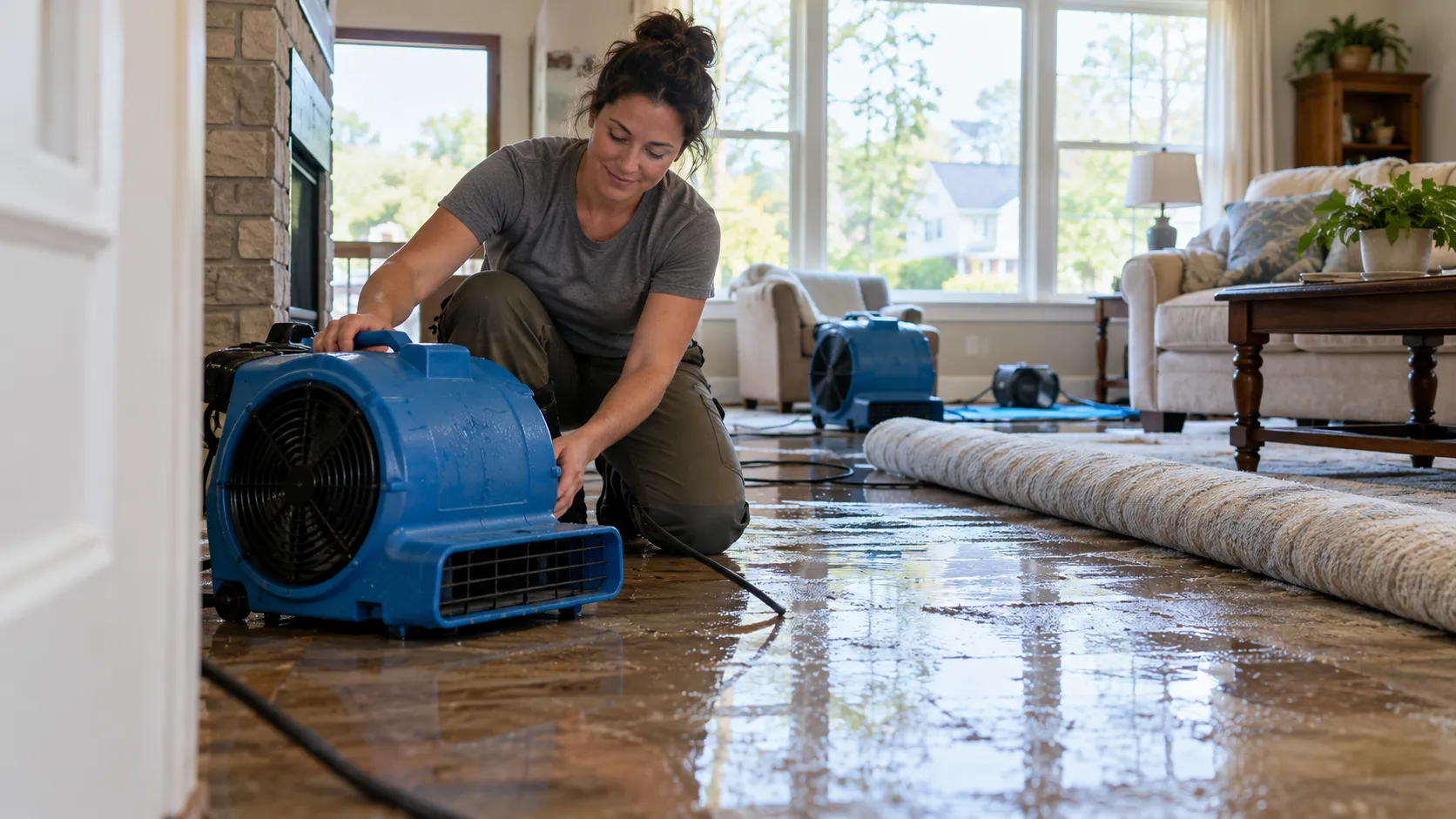
The provider pulls out standing water, removes wet materials that can't be saved, and dries the structure with fans and dehumidifiers. Then they check moisture levels with a meter. Dry means measured. A good provider explains each step and writes it down. Seasonstalks Restoration does not do the work. Independent providers in our network do.
Can I handle water damage myself?
Small spills on a hard floor, yes. Mop up, run fans, and watch the spot. But skip DIY if the water is deep, came from a sewer line, or has soaked walls, insulation, or subfloor. Hidden moisture is the problem. In the Greater New Orleans area's humid weather, damp spots can grow mold fast. When unsure, ask a provider to check.
How do I choose a water damage provider?
Ask a few plain questions. Are they licensed where required in Louisiana? Do they carry insurance? Will they give a written estimate? Do they measure moisture and share the readings? Be careful with anyone who pushes you to sign on the spot. Compare at least two estimates when you can. Seasonstalks Restoration connects you with independent providers, and you decide who to hire.
How long does drying take?
It depends on the job. Many homes need a few days of drying, but deep soaking, thick materials, or humid air can stretch that out. New Orleans summers are sticky, which slows drying. Do not trust a fixed number from anyone before they see the space. Ask the provider to check moisture readings and tell you when the structure is truly dry.
What can I expect to pay?
Costs vary a lot. Typical U.S. jobs can run from a few hundred dollars for a small, contained leak to several thousand for larger water extraction and structural drying. Flooded basements and sewage often cost more. Prices depend on size, water type, and materials. Get a written quote that lists the work, so you can compare.
Will my insurance pay for it?
It depends on your policy. Some policies may cover sudden damage, like a burst pipe, while slow leaks and flooding often need separate coverage. Check your policy or ask your agent. Providers can often help document the damage for a claim. Keep photos, receipts, and notes in one folder. Do not assume anything is covered until your insurer confirms.
How do I keep water damage from coming back?
Fix it, then prevent. Ask the provider what caused the problem. Then act on it: repair the leak, clear gutters, point downspouts away from the house, and check the slab edge and crawlspace for pooling. Before storm season, test your sump pump if you have one. Check supply lines and water heater connections every few months. Keep the new records.
Request a callback
Water in your home? Request a callback to check provider availability, or send the form to request an estimate. Include photos if you have them.
No obligation